The space between visits.
Chroneme brings records from different visits and specialties into one timeline. A clinician can follow a finding back to the records and guidance that support it.
Why we started Chroneme
People we love lost their health and their lives to medical errors, poor access to care and delayed treatment. We know what it costs when care arrives late.
Both of us have lived it, and almost everyone we meet has a story like it. The signs were there. No one connected them in time.
The learning part reads everything a person’s care leaves behind: lab results, notes, prescriptions, messages, readings from home, across every hospital and clinic, and puts it in one order over time. The logic part checks what those learned models find against evidence-based rules, written from published guidance, step by step, so every conclusion names its reason and its source.
Together they connect what no single visit or specialty sees. A new diagnosis of diabetes, a small weight loss and a backache, months apart in three different records, can together point to a cancer worth looking for now. Chroneme notices, shows why, and does the follow-through.
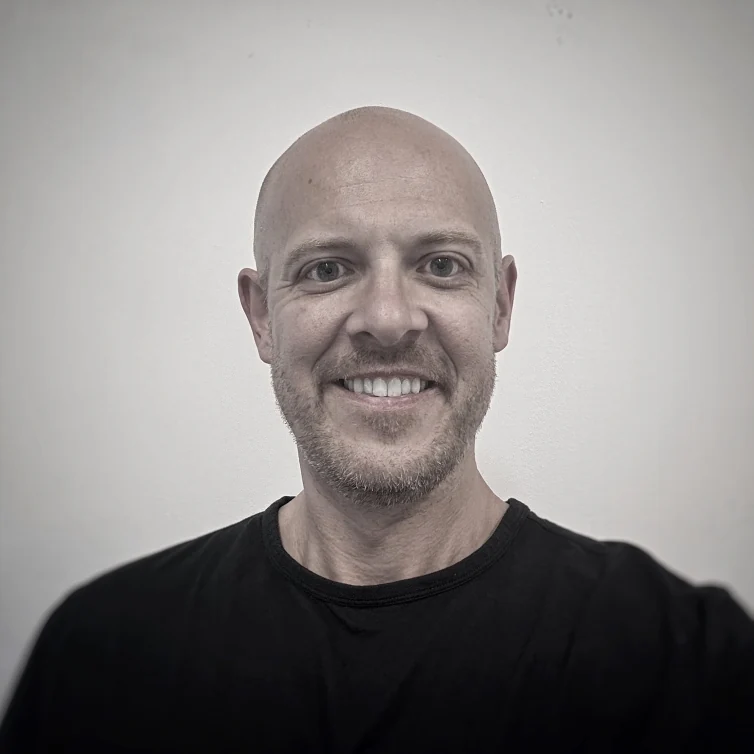
Zohaib Akhtar and Adam Wolfe
What Chroneme is
Raw records
Notes copied forward, billing codes, a missing test read as normal. A model trained on them learns their errors.
A checked timeline
Every fact from every source, put in order, dated and checked against where it came from, and linked to what actually happened.
A multimodal model with medicine’s rules
It reads imaging, notes, labs and a lifetime of history together. The model finds the pattern; deterministic medical rules check every finding before a doctor sees it.
Its value is what no single specialty sees: a scan finding, a falling weight and rising blood sugar, together. Patterns that hold up under review become new rules, so it gets better with every patient.
It prepares the next step; the clinician decides. Nothing is sent or ordered without them.